

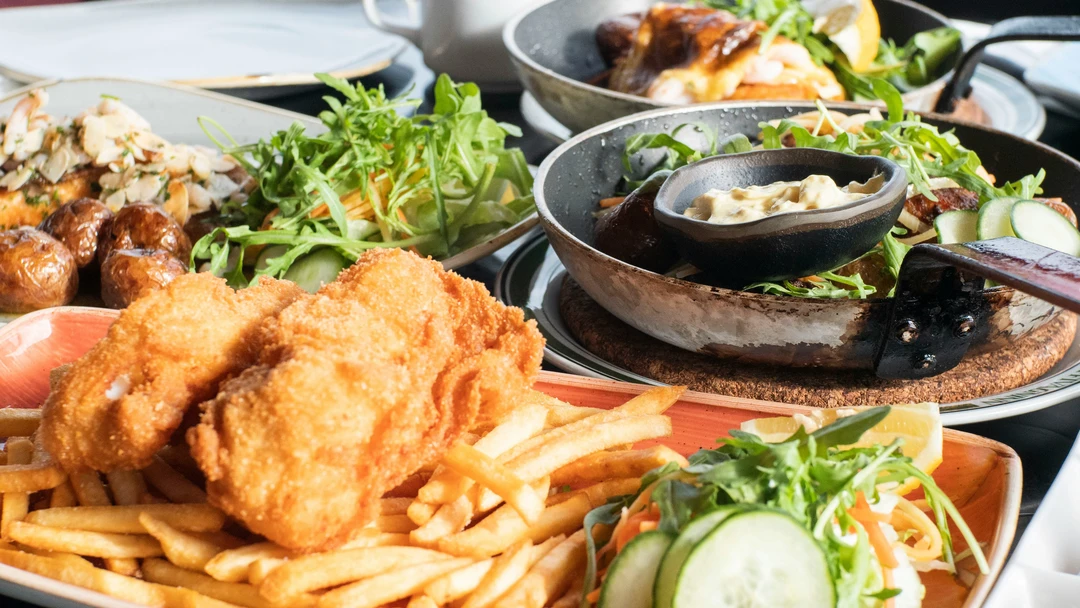
Traditional Icelandic dishes
Traditional Icelandic dishes are an essential part of the cultural experience for anyone visiting Iceland. Icelandic cuisine directly reflects the country’s natural environment, which is defined by a demanding climate, long winters and a strong connection with the sea. The local diet is built around ingredients such as fresh fish and lamb, prepared using techniques that have been part of Icelandic culture since the Viking Age. For travellers who want to understand the local gastronomy and experience the destination authentically, discovering these flavours is essential.
What defines traditional Icelandic dishes?
Iceland is a country where survival shaped the way food was prepared. Traditionally, Icelanders developed methods such as fermentation, smoking and wind drying to preserve food throughout the winter. These processes not only made long term preservation possible but also created distinctive flavours that now define traditional Icelandic cuisine.
Icelanders have a deep connection with their food, and many dishes reflect this cultural heritage. The important role of fresh fish and lamb in the local diet comes from the abundance of these natural resources. At the same time, the limited availability of vegetables led to greater appreciation for simple ingredients such as potatoes and rye, which remain an important part of traditional Icelandic food.
Today, Icelandic cuisine combines tradition with modernity. In cities such as Reykjavík, contemporary interpretations of these dishes can be found in many restaurants. They preserve the original character of each recipe while introducing more refined presentation and techniques. Travellers looking to experience Iceland more authentically can discover Iceland through tailor made experiences that include carefully selected local gastronomy.
Traditional Icelandic dishes you need to try
Among the best dishes in Icelandic cuisine, several stand out for their tradition, flavour and cultural relevance. Some are comforting and familiar, while others may surprise visitors with their authenticity and intensity.
Kjötsúpa: the classic Icelandic lamb soup
Kjötsúpa, commonly known as Icelandic lamb soup, is one of Iceland’s most traditional dishes. It is a warm and nutritious stew that is particularly comforting during the cold winter months. Prepared with pieces of lamb, potatoes and vegetables, this soup is considered a true symbol of traditional Icelandic food.
Icelandic lamb is recognised for its high quality, as the animals are free to roam and feed naturally. This gives the meat a more distinctive flavour while keeping it relatively lean, making kjötsúpa a comforting dish that is rich in protein.
Plokkfiskur: creamy Icelandic fish stew
Plokkfiskur is a traditional speciality made with fish, usually cod or haddock, combined with potatoes and a creamy béchamel sauce. This Icelandic fish stew is a clear example of how local cuisine transforms simple ingredients into flavourful meals.
Traditionally served with rye bread, plokkfiskur is commonly found in Icelandic homes and in many restaurants in central Reykjavík. Its creamy texture and mild flavour make it an ideal choice for travellers who want to try something authentic without moving too far outside their comfort zone.
Hangikjöt: Icelandic smoked lamb
Hangikjöt is a type of smoked lamb traditionally eaten during festive periods, particularly at Christmas. The smoking process gives the meat a distinctive and intense flavour. It is usually served with potatoes, mash and a white sauce.
This dish represents the traditional Icelandic techniques used to preserve food and clearly demonstrates the importance of lamb in the local diet. Hangikjöt also stands out because of its strong connection with celebrations and special occasions.
Þorramatur: tradition and culinary challenge
Þorramatur is a selection of traditional foods served during Iceland’s winter festivals. It can include fermented shark, ram testicles and sheep’s head. This collection of dishes is considered one of the most authentic representations of Icelandic food culture.
Although its flavours can be more challenging, Þorramatur provides unique insight into Iceland’s historic eating habits. Many of these foods are prepared through fermentation or wind drying, using preservation techniques that date back to the Viking Age.
Fermented shark, known as hákarl, is one of Iceland’s most iconic foods. Traditionally enjoyed with a local spirit called Brennivín, it offers a distinctive culinary experience for travellers who want to explore the more unusual side of Nordic cuisine. For further context about Icelandic food culture, read this official guide to food in Iceland.
Icelandic hot dogs: the country’s most famous street food
The Icelandic hot dog holds a special place among the country’s most popular foods. Considered Iceland’s most iconic street food, it is usually made with a lamb based sausage and served with ingredients such as mustard, remoulade, crispy onions and pickled red cabbage.
This simple but remarkably flavourful dish is easy to find in Reykjavík, particularly at stands that have become famous for their history and tradition. The balance between the different ingredients creates a distinctive combination that appeals to both locals and visitors.

Typical ingredients in Icelandic cuisine
Icelandic food is directly connected to the natural resources available across the country. Its geographical isolation and demanding climate led to the development of a traditional cuisine centred around simple, high quality ingredients. Iceland is known for the purity of its food, resulting in products with distinctive flavours and excellent nutritional qualities.
Fish, seafood, lamb and dairy products are among the most common ingredients in traditional Icelandic cuisine. These foods are essential to many traditional Icelandic dishes and help explain why the local diet is often valued for its protein content and nutritional value.
Skyr: Iceland’s most iconic dairy product
Skyr is one of Iceland’s best known traditional foods. It is a cultured dairy product with a thick, creamy texture and a high protein content. Rich in protein and low in fat, skyr is often enjoyed as a dessert or as part of breakfast.
In addition to being extremely popular among Icelanders, skyr has gained international recognition for its nutritional qualities. It is commonly served with fruit, jam or even whipped cream, creating simple but flavourful combinations.
Rye bread and essential ingredients
Rye bread is another fundamental element of local Icelandic food. Traditionally made with rye flour and slowly baked, sometimes using geothermal heat, this bread has a dense texture and a slightly sweet flavour.
Ingredients such as potatoes, pickled red cabbage and mash are frequently served alongside meat and fish dishes. They help balance stronger flavours and create more complete and harmonious meals.
The use of simple ingredients does not compromise quality. Icelandic cuisine places great value on the origin of its produce, and fresh fish and high quality lamb can be found throughout the country.
Traditional Icelandic sweets and desserts
Although Iceland is better known for its savoury dishes, the country also has an interesting selection of desserts. These recipes reflect the simplicity of local gastronomy, using basic ingredients and traditional preparation methods.
Kleinur: traditional Icelandic pastries
Kleinur are among Iceland’s most popular traditional pastries. They are lightly sweetened pieces of fried dough, often enjoyed with coffee. Kleinur have been part of Icelandic culture for generations and continue to be prepared using traditional methods.
Their soft texture and simple flavour make them a common part of everyday life in Iceland. Despite their simplicity, they are among the traditional foods that best represent the more accessible and comforting side of local cuisine.
Simple desserts and tradition
Other Icelandic desserts include ice cream served with local ingredients and different preparations made with jam. Simplicity remains a defining factor, reflecting the philosophy of classic Icelandic cuisine.
Despite growing international influence, many Icelandic desserts continue to follow traditional recipes, preserving the country’s gastronomic identity.
Where to try traditional Icelandic food
Visitors to Iceland, particularly Reykjavík, will find numerous opportunities to try traditional dishes. Central Reykjavík has many restaurants offering everything from authentic local recipes to modern interpretations of Icelandic cuisine.
Options range from more sophisticated dining experiences to street food such as the famous Icelandic hot dog. Many restaurants use local ingredients and traditional recipes, providing a more authentic introduction to the country’s gastronomy.
Exploring the local food scene is one of the best ways to understand Icelandic culture. Travellers planning a journey focused on gastronomy may benefit from choosing a tailor made trip to Reykjavík that includes carefully selected culinary experiences.
Contact us
If you would like to discover the best traditional Icelandic dishes during your journey, the most effective approach is to choose a personalised experience. The Atelier Travel team can help create a trip based on your culinary interests, providing access to some of the most authentic food experiences in Iceland.