

Gastronomic Spain: travelling through its most iconic flavours
designed experiences, gastronomic culture makes it possible to build an itinerary guided by flavour: a morning in a market, an unhurried lunch by the Mediterranean, a tapas route in the late afternoon or a meal where the traditional dish explains the landscape from which it came. Spanish cuisine is not built around a single recipe. It lives through contrasts: coast and inland, fish and meat, fresh preparations and slowly cooked dishes, informal tables and more refined gastronomic experiences.
This diversity makes the journey especially interesting for those looking to discover destinations in a more intimate and sensory way. In an itinerary about typical Spanish food, the meal stops being just a break in the programme and becomes one of the reasons to travel. In Spain, olive oil, rice, jamón, vegetables, seafood and bread appear in different combinations, adapted to the climate, tradition and habits of each place.
Tapas, tortilla and jamón in the discovery of gastronomic Spain
A first approach to Spain’s gastronomy inevitably passes through tapas culture. The idea is simple, but deeply connected to social life: tasting small portions, sharing different flavours and allowing the meal to accompany a conversation, a walk or the end of a day of discovery. A tapa may be served with a drink or chosen in several portions to create a full meal. It is this flexibility that turns eating into a spontaneous and local moment.
The culture of tapas and shared small plates
Tapas show how basic ingredients can create a memorable experience. A plate of finely sliced jamón ibérico, bread with tomato and olive oil, creamy croquettes, seasoned olives, regional cheese or potatoes with a bold sauce are examples of typical foods found in bars, markets and restaurants. According to Spain’s official tourism portal, some of the most popular tapas include Spanish tortilla, patatas bravas and jamón ibérico, choices that help travellers recognise the variety of Spanish cuisine in different cities.
On a Spanish food route, the experience does not depend only on what reaches the plate. It also involves rhythm: choosing a first small plate, observing the counter, ordering another tapa and moving on to another spot in the neighbourhood. In cities with a strong tradition of social dining, it is common to discover classic recipes alongside contemporary interpretations.
Jamón ibérico: cured ham with an intense flavour, often served in thin slices and accompanied by bread or olive oil.
Patatas bravas: fried potatoes cut into cubes, served with a distinctive sauce, ideal for sharing as a tapa.
Croquettes: a small savoury dish with a soft filling, often prepared with jamón, meat or other local ingredients.
Preserves and seafood: a practical way to taste coastal flavours, especially in regions close to the Atlantic or the Mediterranean.
Tortilla de patatas: a simple recipe with identity
Among the dishes found across different regions, tortilla de patatas holds a special place. Made with egg and potato, usually cooked in olive oil and finished in a thick omelette like shape, it may include onion depending on the house tradition or the preference of the person preparing it. It is a typical Spanish dish that can appear as a tapa, a light meal or on a counter where it is cut into generous slices throughout the day.
Tortilla shows that Spanish dishes do not always need complex recipes to offer flavour. The potato gains a soft texture, the egg brings the ingredients together and the olive oil gives depth to the preparation. In a Spanish culinary journey, for many visitors, it is an easy food to try during the first days of travel and a reliable reference for understanding everyday cuisine.
Valencian paella: a dish connected to its territory
If tapas represent movement and sharing, paella leads the experience into a different rhythm. Associated with Valencia, this rice preparation has become one of the international symbols of Spanish culture.
The traditional Valencian version is not simply rice covered with any available combination. It is connected to the land, to garden products, to the cooking method and to gathering around a table.
Valencia, rice, saffron and local ingredients
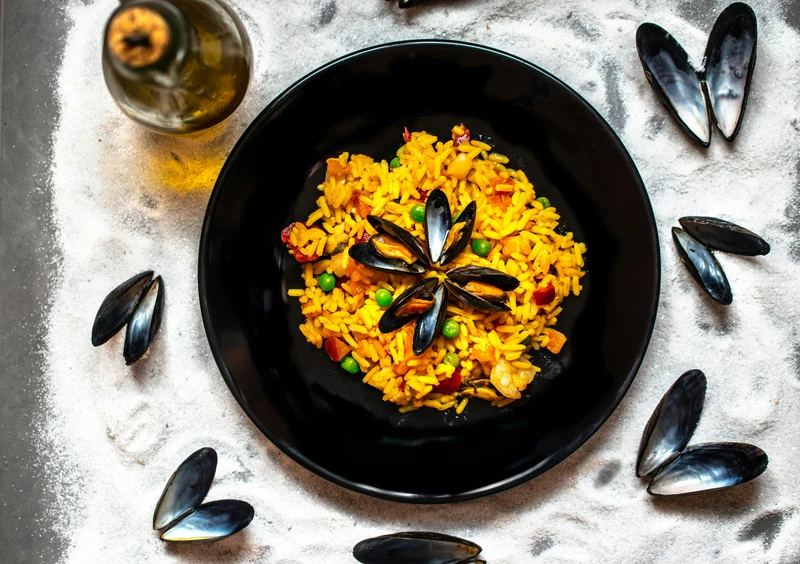
In the recipe presented by Valencia’s official tourism authority, Valencian paella includes extra virgin olive oil, chicken, rabbit, fresh green beans, tomato and other elements associated with the local preparation. This information helps distinguish this traditional dish from very common versions found in tourist areas, prepared with prawns or other seafood. Both can offer a good meal, but they represent different proposals: the first is connected to the Valencian reference recipe, while the others show how paella has been adapted to different tastes, products and contexts.
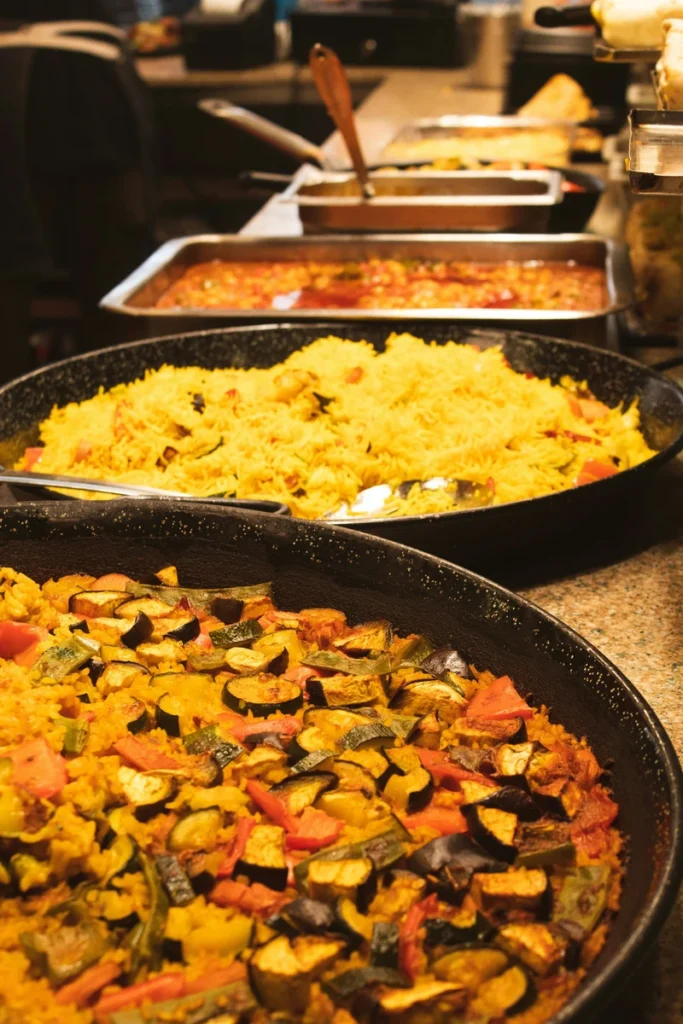
In a culinary experience, the preparation process also tells the story of the dish. It begins by heating the olive oil and browning the meats, allowing the flavours to settle into the base of the preparation. Then the tomato and vegetables are added, creating a combination in which the rice absorbs the stock and seasoning. Saffron adds aroma and colour, while the cooking requires attention so that the grain reaches the right texture. More than frying ingredients or gathering products in a wide pan, preparing a good paella means controlling time, heat intensity and the proportion of liquid.
For an itinerary about Spain’s gastronomy, Valencia offers a clear opportunity: connecting the dish to the place where it makes sense to taste it. Eating paella close to the Mediterranean landscape, discovering markets where fresh ingredients appear or including a long meal in a day dedicated to the city changes the way the dish is appreciated. The rice stops being just a menu choice and becomes a link between culture, product and territory.
Essential flavours to include in a first route
A journey guided by gastronomic Spain can begin with more concrete choices. The important thing is to balance planned meals with moments of discovery. Booking a paella in an appropriate setting, leaving room to try an unexpected tapa and visiting a market are simple decisions that make the itinerary more authentic. Instead of looking only for the most famous dishes, it is worth observing the products that appear repeatedly.
Try at least one classic tapa and one contemporary interpretation during the same route.
Taste tortilla in a place frequented by locals, where the dish is prepared throughout the day.
Set aside time for paella in Valencia, valuing the origin of the recipe and not just the photo of the dish.
Choose local products, such as olive oil or jamón ibérico, which help extend the gastronomic memory of the trip.
Planning a route through gastronomic Spain begins with its most recognisable flavours. This first contact reveals a cuisine based on familiar products, but with a strong regional character. A tapa at a counter, a freshly made tortilla or a shared paella in Valencia are different ways to discover Spain through flavour, with time to observe, taste and understand the habits that give each experience its identity.
Regions that define gastronomic Spain
After the most recognisable flavours, discovering the typical dishes of Spain means looking at the map and understanding how climate, proximity to the sea, agricultural products and local traditions shape the cuisine. Galicia values octopus and Atlantic products. Andalusia works with fresh recipes where tomato and olive oil play a central role. The Basque Country has turned small bites into a refined expression of its identity. Catalonia adds dishes and desserts with a character of its own. In each region, Spanish food reveals a different way to travel, eat and understand the territory.
This variety makes it possible to create a Spanish gastronomy itinerary that does not depend only on famous restaurants. The experience may include local markets, small towns where a recipe remains connected to popular festivities, meals by the coast and cities where the table is part of everyday culture. For travellers interested in personalised experiences, choosing regions according to their preferred flavours allows the route to become a coherent discovery, balancing landscapes, heritage and gastronomy.
Galicia and pulpo a la gallega
In Galicia, octopus is one of the strongest references in regional cuisine. The well known pulpo a la gallega, also associated with the name pulpo á feira, is prepared with boiled octopus, cut into slices and served with coarse salt, olive oil and paprika, known as pimentón. The simplicity of the dish hides a tradition deeply connected to fairs, popular celebrations and the way seafood products were integrated into the life of inland Galician communities.
The experience of tasting this delicacy is particularly interesting because it does not depend on an elaborate presentation. Often, the octopus is placed on a wooden plate, still warm, with the shine of olive oil and the aroma of paprika highlighting the flavour of the preparation.
On a journey through Spain, Galicia allows travellers to explore a very direct relationship between coast, product and community. Beyond octopus, the region is known for seafood, dishes prepared with fresh ingredients and meals where the origin of the products remains visible. A lunch dedicated to pulpo a la gallega can be combined with a visit to a coastal village, a market or a local celebration.
Andalusia: salmorejo, olive oil and refreshing flavours
If Galicia takes travellers towards Atlantic flavours, Andalusia shows how heat and garden products give rise to intense yet refreshing recipes. Salmorejo is one of the most representative examples: a creamy preparation based on ripe tomato, bread, garlic and olive oil, usually served cold and accompanied by boiled egg and chopped jamón. Its thick texture distinguishes this dish from other cold soups and makes it especially suitable for lunch during the warmer months.
In Spanish cuisine, salmorejo shows how a few ingredients can achieve great depth when the raw materials are carefully chosen. Tomato provides sweetness and acidity, bread gives body, olive oil brings the flavours together and the toppings add contrast.
To avoid confusing different recipes, cucumber is not a base ingredient of traditional salmorejo. It appears more easily in other cold Andalusian preparations, such as salads or variants related to gazpacho. In Andalusia, it is also worth discovering vegetable dishes, recipes with chickpeas, fried fish and regional sweets, creating an experience that goes beyond a single meal.
Basque Country, Catalonia and sweet flavours to discover
The Basque Country offers another perspective on gastronomic Spain. Here, the culture of small bites gains particular expression through pintxos, prepared on counters where visitors can choose combinations of fish, meat, cheese, vegetables, sauces and bread. Although they are often compared to tapas, pintxos have an identity of their own and can be presented with great care, turning a walk through bars into a true tasting sequence.
A visit to the Basque Country allows travellers to combine informal meals with more curated gastronomic experiences. Visitors can taste a pintxo with fresh fish, a preparation with prawns or a small portion of slowly cooked meat while walking through historic areas and observing local life.
In Catalonia, the cuisine adds further contrasts to the journey, from preparations that combine products from the sea and land to sweet recipes associated with regional tradition. A dessert such as crema catalana, with a caramelised surface and delicate interior, can mark the end of a meal dedicated to local flavours. In other Spanish cities, churros served with hot chocolate offer a simple and comforting experience, suitable for a break during a walk or for a more relaxed start to the morning.
How to build a journey around Spain’s traditional dishes
Organising a journey around Spain’s gastronomy requires more than choosing a list of restaurants. The first step is to decide what type of experience is being sought, and the duration of the trip also influences the choice.
A personalised experience may include very different options: tasting a tapa in a historic neighbourhood, booking a meal centred on a traditional dish, visiting a market where olive oil, cured meats, fish and vegetables reveal regional identity, or including a stop dedicated to a local dessert.
To discover coastal flavours: include Galicia, with boiled octopus, seafood and fresh products from the Atlantic.
To enjoy lighter meals in a warm climate: explore Andalusia, where salmorejo and other garden based recipes offer a refreshing experience.
To combine social dining and variety: create a route through the Basque Country, tasting more than one small bite throughout the day.
To connect a typical dish to its place of origin: set aside time in Valencia to taste paella in a setting linked to local tradition.
To add sweet moments: include a regional dessert or churros with chocolate between cultural visits.
Contacts
To create a personalised itinerary around the main dishes of Spain, with dining experiences, regions selected according to your interests and time set aside to discover local flavours.