

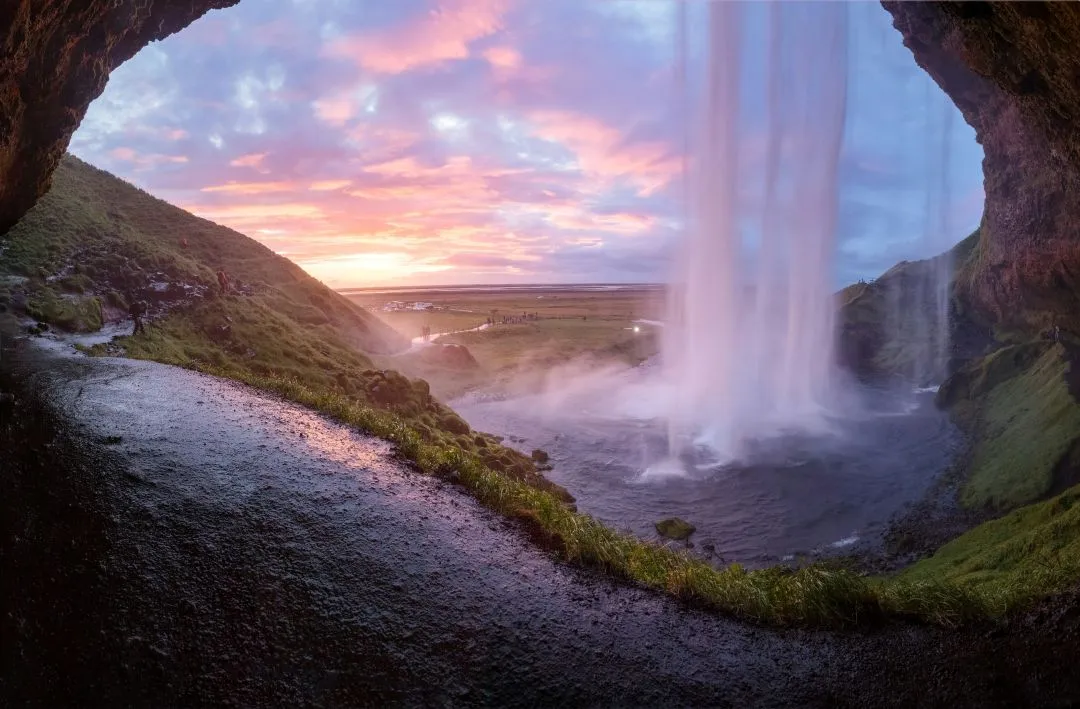
When to visit Iceland: how to choose the best time of year
When to visit Iceland: how to choose the best time of year
Deciding when to visit Iceland is one of the most important choices when planning a journey to this unique destination. The truth is that visiting Iceland depends directly on the type of experience you are looking for: natural landscapes with long days, northern lights, hikes on remote trails or even exploring ice caves. Iceland is a destination that changes dramatically throughout the year, and understanding each season is essential to make the most of the journey.
Unlike other destinations, there is not just one answer to the best time to travel. Any time of year can be ideal, as long as it is aligned with your goals. For each type of traveller, there is a perfect window: whether to see the northern lights, enjoy long days or experience more exclusive moments during winter.
How to choose the best time of year
When assessing when to visit Iceland, it is essential to understand that Iceland is a country of extremes. During summer, there are almost 24 hours of daylight, while in winter the nights are longer and the dark sky creates ideal conditions for observing unique natural phenomena.
Summer: ideal for outdoor activities, trails and exploring natural landscapes
Winter: perfect for northern lights and ice caves
Spring and autumn: a balance between lower prices and good conditions
If the goal is a personalised itinerary, it makes sense to align the journey with what you truly want to see and do, because visiting Iceland without a strategy can significantly limit the experience.
Summer in Iceland, June to August: long days and active nature
Between June and August, Iceland offers exceptional conditions for exploring the country. This is the high season in Iceland, marked by the famous midnight sun and almost 24 hours of daylight, allowing for extremely productive days.
During this period, the hours of sunlight allow visitors to explore almost without limitations. It is also one of the best times to observe wildlife. If this is one of the goals of the journey, it is also worth reading our article about puffins in Iceland, one of the most remarkable experiences of the Icelandic summer. Some regions receive almost 24 hours of light, creating a feeling of endless time to explore.
Mountain trail hikes
Exploring Iceland’s impressive waterfalls
Wildlife observation
Travelling along scenic roads
This is also when the landscapes begin to come alive. Vegetation starts to flourish, access improves and almost the entire country becomes available for exploration.
On the other hand, as this is high season, prices are higher and demand is greater. Even so, for those who want a complete itinerary, planning a journey to Iceland during this period guarantees full access to the country’s main attractions.
Spring and autumn, March to May and September to October
If you are looking for a balance between price and experience, these seasons are an excellent alternative. Between March and May and at the beginning of autumn, Iceland enters an interesting transition phase.
During these periods, there are fewer tourists, lower prices and still good opportunities to see the northern lights, especially between September and April. However, conditions can vary considerably.
Fewer crowds
Good value for money
Possibility of combining summer and winter experiences in the same journey
The hours of daylight begin to gradually decrease, and on some days there are fewer hours of light, which can affect the pace of the itinerary. Even so, this is a good time to explore with greater tranquillity.
Main attractions in Iceland and when to visit each one
Regardless of when you are thinking of visiting Iceland, there are places that are absolutely unmissable. The key is understanding when each one offers the best experience.
Golden Circle
The Golden Circle is the country’s most famous route. It includes Thingvellir National Park, Gullfoss waterfall and the Geysir geothermal area. It can be explored all year round, but in summer it offers better accessibility.
Reykjavík
Reykjavík is the capital and the starting point for most journeys. Here, you will find attractions such as Harpa Concert Hall and the National Museum of Iceland, as well as a strong Icelandic culture.
Blue Lagoon
Relaxing in the warm waters of the Blue Lagoon is an iconic experience. For those looking for an elegant alternative near Reykjavík, Sky Lagoon in Reykjavík is another geothermal experience that can fit very well into an Iceland itinerary. It works in any season, but during winter it creates an even more striking visual contrast.
Summer: ideal for exploring as much as possible
Winter: more dramatic atmosphere
Shoulder seasons: balance between experience and cost
Choosing when to visit Iceland means aligning these experiences with what you value most. Whatever the decision, it is a destination with infinite potential to explore and scenery capable of taking your breath away.
Month by month guide: what is the best month to visit Iceland
If you still have doubts about when to visit Iceland, analysing a month by month guide is the most practical way to make a decision. Each period brings different advantages, and understanding the best month to visit depends directly on the type of experience you want.
| Month | Conditions | Highlight |
|---|---|---|
| January to February | Coldest months, between minus 10°C and 2°C | Northern lights and ice caves |
| March to May | Transition from winter to spring | Fewer tourists and lower prices |
| June to August | Temperatures between 10°C and 18°C | Plenty of light and active nature |
| September to October | Autumn with fewer crowds | Beginning of the northern lights season |
| November to December | Few hours of daylight | Christmas markets and a unique atmosphere |
There is no single month to visit Iceland that is perfect for everyone. For some, July is the best month because of full road access. For others, February is the best month to see natural phenomena.
Northern lights in Iceland: when to see the light show
One of the main reasons for deciding when to visit Iceland is the possibility of seeing the northern lights. This light show occurs mainly between September and April, when the nights are longer and the dark sky allows better visibility.
The northern lights in Iceland are not guaranteed, but there are factors that significantly increase the chances:
Low light pollution
Stable weather conditions
High solar activity
If this phenomenon is a priority for your journey, we recommend exploring the subject in more detail in our guide about the northern lights in Iceland, where we explain what makes this experience so special.
You can follow official forecasts through the Icelandic Meteorological Office, which provides updated visibility data.
For those who want to observe the northern lights, this is the best time to travel, especially if combined with other winter experiences.
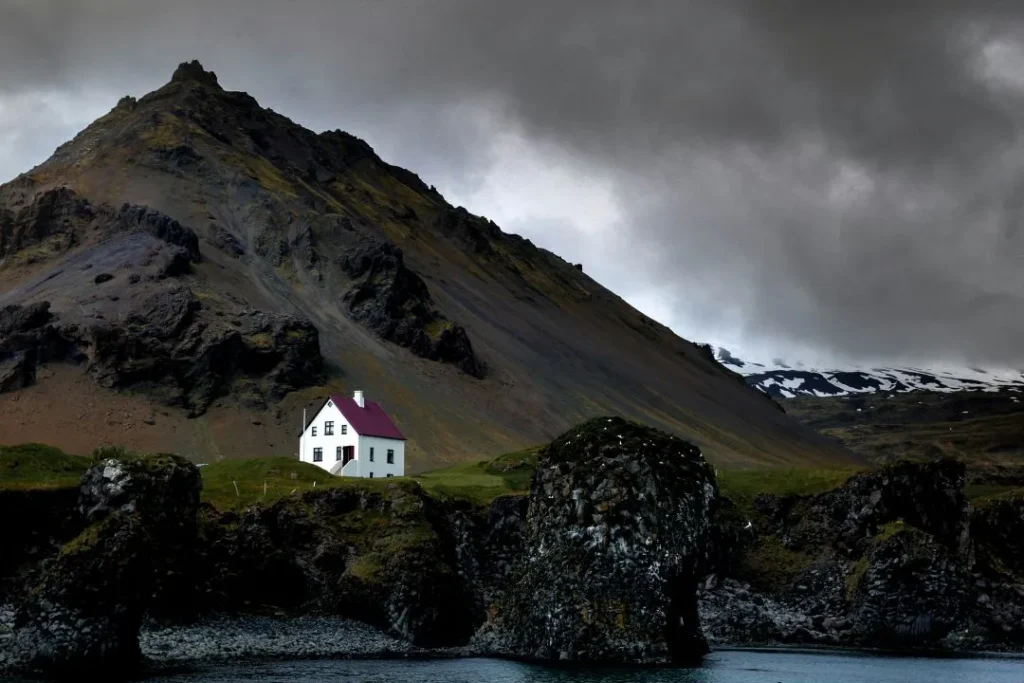
Winter in Iceland: ice caves and unique landscapes
During winter, Iceland transforms completely. This is the ideal time to visit the ice caves and experience activities that are not available in other seasons.
Ice caves are natural formations that can only be explored safely at this time of year. Many of these structures are accessible only during the colder months.
Exploring ice caves
Winter sports
Ice skating
Despite the limited hours of daylight, the visual intensity of the landscapes is incomparable. The combination of snow, ice and natural contrasts creates some of Iceland’s most impressive scenery.
How to decide: Iceland for each type of traveller
Choosing when to visit Iceland means aligning the journey with your goals. Iceland offers very different experiences throughout the year, and there is no single right answer.
For nature and trails: summer
For northern lights: winter
For balance: spring or autumn
If you are looking for a personalised experience, each travel style requires careful planning. Regardless of the season, there is always something relevant to explore.
If you are planning to visit Iceland and want to guarantee an experience adjusted to your profile, you can speak directly with local specialists. Personalised planning makes all the difference in a journey to Iceland.