

The Northern Lights in Iceland: When and Where to See Them
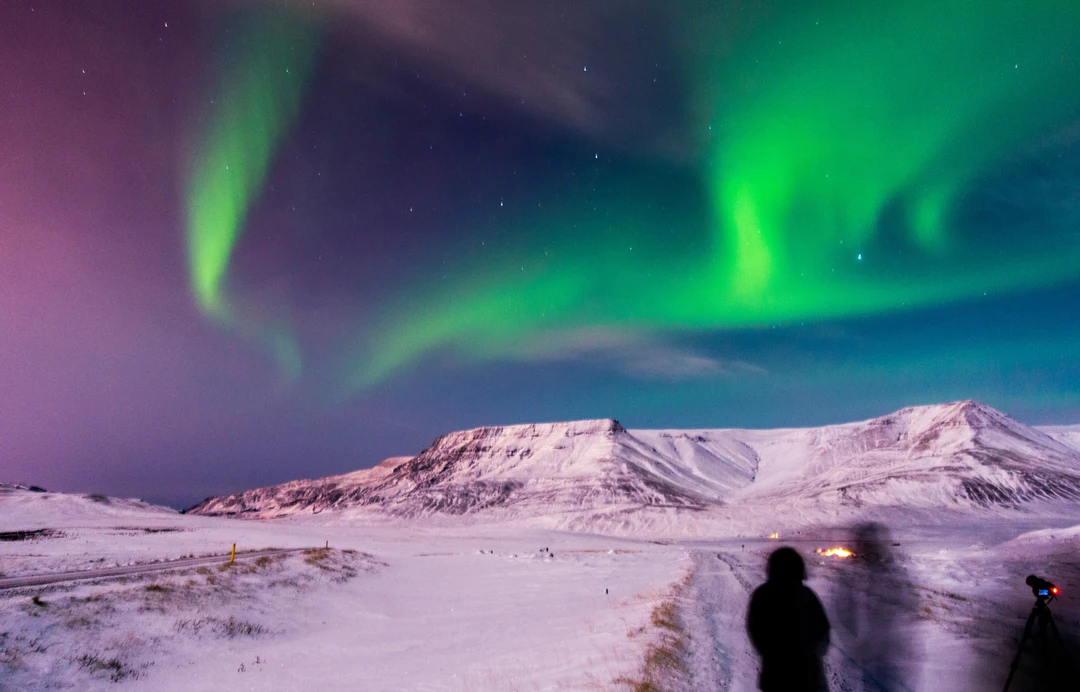
The Northern Lights in Iceland are one of the most sought after natural spectacles for those planning a trip to Northern Europe. This phenomenon transforms the night sky into a dynamic display of moving lights, creating a unique experience for anyone who wants to see the Aurora Borealis in person. Iceland is widely recognised as one of the best destinations for this experience, combining a privileged geographical location with favourable natural conditions. If you want to see the Northern Lights in Iceland, it is essential to understand how this natural event works, when it occurs and how to increase your chances of witnessing it.
What are the Northern Lights and why do they occur?
The Northern Lights are a natural phenomenon caused by the interaction between solar particles and the Earth’s magnetic field. When these particles reach the atmosphere, they release energy in the form of light, creating the colours we see in the sky. This natural event occurs mainly in regions close to the Arctic Circle, which explains why Iceland is one of the best places in the world to observe the Northern Lights.
Anyone researching the Aurora Borealis should understand that its intensity can vary. On some nights, the lights appear as a subtle glow, while on others, they emerge with remarkable intensity, creating the visual effect commonly described as the Northern Lights dancing across the sky. The intensity of the Aurora depends on solar activity, making every experience different.
According to sources such as NASA, this natural phenomenon is a direct result of solar energy, which explains why the Aurora is unpredictable. Even so, proper planning can increase your chances of witnessing this extraordinary spectacle.
Why Iceland is one of the best places to see the Northern Lights
The Northern Lights in Iceland are considered among the most impressive in the world. The reason is simple: Iceland is strategically located within a zone of high auroral activity. In addition to its volcanic landscapes, Iceland also has some of the lowest levels of light pollution in Europe.
Accessibility is another important factor. Unlike other Arctic regions, you can leave Reykjavík and reach areas suitable for observing the Aurora within a short drive. This makes Iceland a practical and convenient destination for seeing the Northern Lights.
For anyone planning a tailor made trip to Iceland, the country offers a rare combination of natural landscapes, including waterfalls, black sand beaches and glaciers, all beneath the same sky where the Aurora may appear. This diversity makes the overall experience even more memorable.
Best time to see the Northern Lights in Iceland
The best time to see the Northern Lights in Iceland is between September and April, a period commonly known as the Northern Lights season. During these months, the nights are longer, creating ideal conditions for observing the Aurora Borealis.
If you are planning your trip, it is important to understand that the best month can vary. October and March often provide a good balance between weather conditions and solar activity. However, any period within the Northern Lights season can offer excellent opportunities.
Iceland’s weather plays a critical role. Clear skies are essential for seeing the phenomenon, so it is advisable to follow the Aurora forecast provided by Iceland’s official weather service. This tool provides information about Aurora visibility and helps travellers plan their search for the Northern Lights.
Using tools such as the My Aurora Forecast app can also significantly increase your chances of seeing the lights. These resources are widely used by experienced travellers and Northern Lights hunters.
To make this dream a reality, three factors must be aligned: the time of year, the location and the weather conditions. The Northern Lights in Iceland are accessible, but seeing them requires flexibility and careful planning.
It is also worth remembering that Iceland has much more to offer beyond the Aurora. During the day, you can explore Iceland’s south coast, discover unique landscapes and even go whale watching, making the entire experience even richer.
To maximise their chances, many travellers choose a guided Northern Lights tour, benefiting from specialist support and access to the best viewing locations. This approach reduces uncertainty and significantly increases the opportunity to see the Aurora.
Ultimately, seeing the Northern Lights in Iceland will always depend on natural conditions. However, with the right strategy, it is entirely possible to witness this spectacle and enjoy one of the most memorable experiences on the planet.
Where to see the Northern Lights in Iceland
Knowing where to see the Northern Lights is one of the most important factors when planning a trip to Iceland. Although the Aurora Borealis can be observed in many parts of the country, certain locations offer better conditions due to low light pollution and wide, open landscapes.
Reykjavík can be a convenient starting point, but urban areas are not ideal for observing the phenomenon. It is better to travel to more remote locations. Iceland’s south coast is one of the most recommended regions, allowing you to combine the experience with visits to waterfalls and black sand beaches.
Other regions, such as northern Iceland, also offer excellent viewing conditions. These areas are among the best places to see the Northern Lights and provide a more immersive experience for anyone who wants to admire the Aurora away from crowds and city lights.
How to increase your chances of seeing the Northern Lights
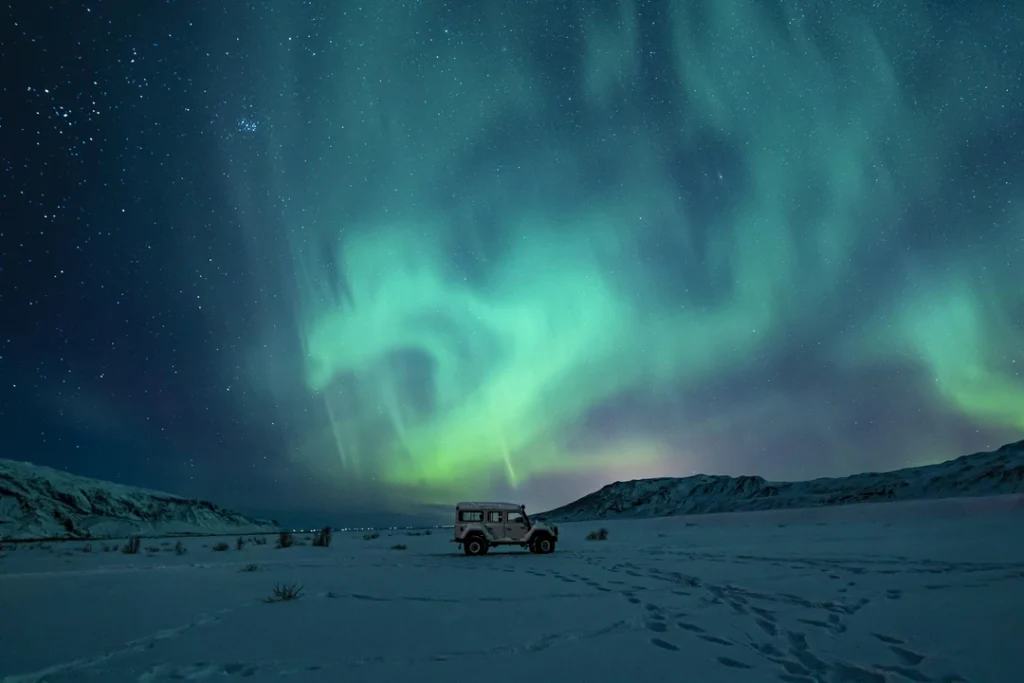
One of the greatest challenges for anyone who wants to see the Northern Lights is dealing with the phenomenon’s unpredictability. The probability of seeing the Aurora depends on several factors, including solar activity, clear skies and location.
To increase your chances, it is essential to monitor the Aurora forecast. Consulting Iceland’s official weather service also allows you to assess cloud cover and visibility conditions in real time.
Mobility is another crucial factor. Driving in Iceland can provide greater flexibility, but it requires experience with winter road conditions. For this reason, many travellers choose to search for the Northern Lights with local guides.
The search should take place away from cities and during clear nights. Even under ideal conditions, there are no guarantees, as the Aurora may or may not appear. However, with patience and persistence, you can witness these polar lights and enjoy a truly unique experience.
Is a Northern Lights tour worth it?
Travellers planning a trip to see the Aurora often ask whether they should book a tour or search independently. The answer depends on their travel style, experience and priorities.
Hunting for the Northern Lights with specialised guides significantly increases the chances of seeing the Aurora. These professionals analyse Aurora forecasts, travel to the most promising locations and adjust the route in real time.
Joining a Northern Lights tour also gives you the opportunity to learn more about Iceland and the phenomenon itself. Many guides are experienced Aurora hunters with extensive practical knowledge of local conditions.
For travellers looking for a comfortable and uncomplicated experience, planning a Northern Lights trip with local specialists is the most efficient option.
Essential tips for seeing the Northern Lights for the first time
If you are planning to see the Northern Lights for the first time, there are several things you should know before travelling. First, keep your expectations realistic. Every Aurora display is unique, and each appearance can be completely different.
Preparation is essential. Wear clothing suitable for cold conditions, as temperatures can be extreme. You should also bring the appropriate photography equipment if you want to capture photographs of the Northern Lights.
Patience is essential when waiting for the Aurora. On some nights, you may need to wait several hours before the phenomenon becomes visible. However, when it appears, you will have the opportunity to witness the spectacle and appreciate the full beauty of the Northern Lights.
It is also important to remain flexible throughout your trip to Iceland. Adjusting your plans according to Iceland’s weather conditions will increase your chances of seeing the Aurora.
Contact us
If you want to observe the Northern Lights in Iceland with specialist support and maximise your chances of seeing the Aurora, it is best to plan in advance. A carefully organised experience can make all the difference, helping you fulfil this dream and make the most of your trip.
Contact us to plan your Northern Lights journey with local specialists.